Key takeaways
- CBAM has been in its definitive phase since 1 January 2026. EU importers now carry a carbon cost on covered goods.
- For Thailand, steel and aluminium are the main exposure. KResearch put the affected exports at about 28 billion baht in 2026.
- Nothing is payable before 30 September 2027, but buyers are already pricing it into contracts.
- Without verified data from you, importers must use EU default values, which are set high on purpose.
- Start with one product line: measure, allocate and get the figures verified.
Since 1 January 2026, the EU’s Carbon Border Adjustment Mechanism (CBAM) has been in its definitive phase. Importers in the EU now carry a financial cost for the carbon emitted when certain goods were made abroad. The importer pays, but the numbers come from the producer, so Thai exporters in the covered sectors are already being asked for emissions data.
Why the EU introduced CBAM
EU factories pay for their emissions under the EU Emissions Trading System. Without a border measure, production could move to countries without a carbon price and the goods could be imported cheaply. CBAM puts a comparable carbon cost on imports of the same goods, so that the price of carbon is the same whether a tonne of steel is made in Europe or abroad.
Which goods are covered
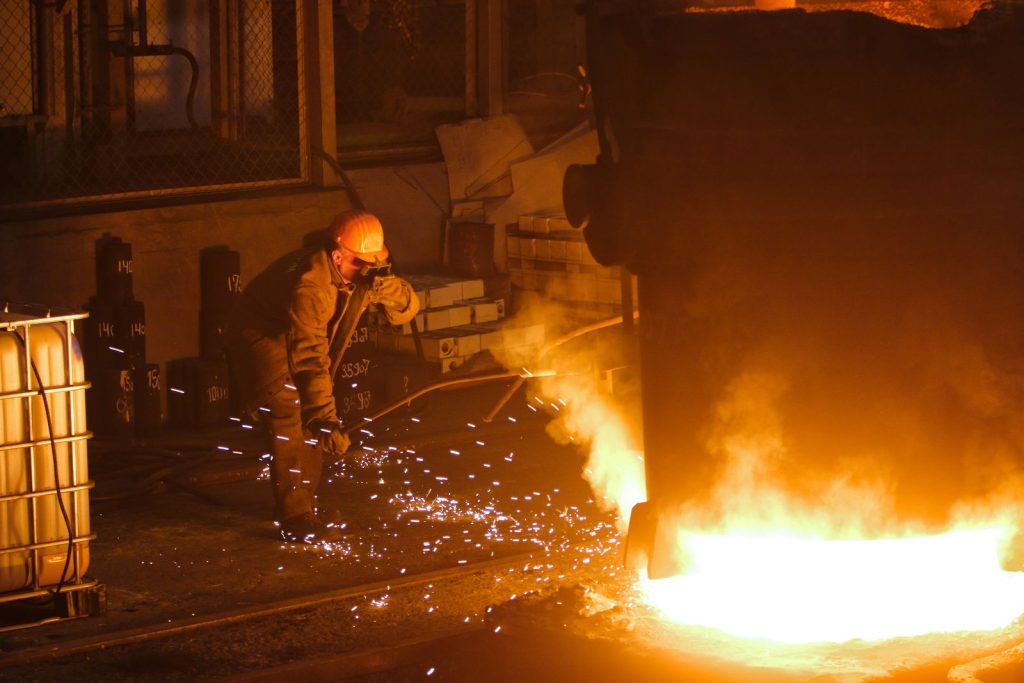
CBAM currently applies to iron and steel, aluminium, cement, fertilisers, hydrogen and electricity. For Thailand, steel and aluminium matter most. Cement and fertiliser exports to the EU are small, and Thailand does not export electricity or hydrogen to the EU.
Which emissions count depends on the product. For steel and aluminium, CBAM charges for the direct emissions from production, including those of key input materials. Emissions from the electricity used are counted for cement and fertilisers, but not currently for steel and aluminium.
The European Commission has also proposed extending CBAM to some downstream products made from steel and aluminium. If you make parts or finished goods from these metals, keep an eye on that proposal.
How big is the impact for Thailand?
Kasikorn Research Center estimated in December 2025 that CBAM would affect about 3.8 per cent of Thai exports to the EU in 2026, worth roughly 28 billion baht. Steel is the most exposed. Thai iron and steel exports to the EU were worth US$95.1 million in 2024 and aluminium US$56.7 million, according to the same report.
KResearch put the extra cost for steel at around 1,300 to 1,500 baht per tonne, about 1.5 to 1.7 per cent of product value, assuming a carbon price of €60 to €90 per tonne. Across Thai steel exports to the EU, that comes to roughly 167 to 193 million baht a year. It also found that large Thai producers had started collecting carbon data while many SMEs were only beginning to understand the rules.
The timeline
- From 1 January 2026, importers need to be, or apply to become, authorised CBAM declarants. Under the EU’s simplification package, importers who applied by 31 March 2026 could keep importing while their application was processed.
- Importers bringing in less than 50 tonnes of CBAM goods a year are exempt.
- The first annual CBAM declaration, covering all 2026 imports, and the matching certificates are due by 30 September 2027.
Nothing is payable before late 2027, which is why some suppliers have not felt pressure yet. Their buyers, however, are pricing it into contracts now, because the 2026 shipments are the ones they will pay for in 2027.
What your EU buyer will ask for
Expect requests for the embedded emissions of each product, calculated under the EU’s method and tied to the specific installation where it was made. If you cannot provide actual data, the importer has to use EU default values, which are set high on purpose. That makes your product more expensive for them than a competitor’s with verified data.
In practice this means:
- measuring direct emissions at plant level;
- collecting the emissions of key input materials from your own suppliers;
- allocating those emissions to each product line;
- arranging verification by an accredited verifier, since unverified actual data is no longer enough in the definitive phase;
- keeping the records your buyer may need if EU authorities check their declaration.
A simple way to think about the cost
The importer pays for roughly the tonnes of CO2 embedded in the goods, at a price linked to the EU carbon market. If your verified emissions per tonne of steel are lower than a competitor’s, or lower than the EU default value, the importer pays less for your steel. That difference is now part of how buyers compare suppliers, next to price, quality and delivery time.
Where to start if you are an SME
Ask your EU customers what format they want and by when. Many will send a template. Then start with one product line rather than the whole factory. The cost of measuring is real, but losing a buyer to a supplier with lower verified emissions is usually more expensive. Industry associations and the Federation of Thai Industries are also useful places to ask about verifiers and shared tools.
Frequently asked questions
Who actually pays CBAM?
The authorised CBAM declarant in the EU, usually the importer. The exporter does not pay the EU directly, but the cost tends to come back through prices and contract terms.
Can a carbon price paid in Thailand be deducted?
The CBAM rules allow a deduction for a carbon price that was actually paid in the country of production. That only helps if such a price was paid on the goods, so check with your buyer what evidence they would need.
Does CBAM apply if I sell through a trader?
Yes. Whoever imports the goods into the EU needs the emissions data, so the request will reach you through the trader.
CBAM sits alongside other EU rules that Thai exporters now face, including the deforestation regulation. For the trade deal that could lower tariffs at the same time, see where the EU-Thailand FTA stands.
Sources
- European Commission, Carbon Border Adjustment Mechanism
- The Nation, EU CBAM to shake Thai exports as definitive phase starts on Jan 1 (22 December 2025)