Key takeaways
- Since 10 April 2026, Schengen borders register non-EU visitors digitally instead of stamping passports.
- Your face and fingerprints are taken on your first entry; children under 12 give only a photo.
- The system counts your 90 days in any 180 automatically, so overstays are detected.
- Thai passport holders still need a Schengen visa. ETIAS does not apply to them.
- Registration is free. Refusing to give biometrics means you will be refused entry.
If you travel from Thailand to Europe, the passport stamp has gone. Since 10 April 2026, the EU’s Entry/Exit System (EES) has been fully operational, and border officers now register non-EU visitors digitally, with a facial image and fingerprints.
What EES is
EES is a database that records each entry to and exit from the Schengen area by people who are not EU citizens, for short stays of up to 90 days in any 180-day period. It applies whether or not you need a visa. It was introduced gradually from 12 October 2025 and became fully operational on 10 April 2026.
It covers 29 countries: 25 EU member states (all except Cyprus and Ireland) plus Iceland, Liechtenstein, Norway and Switzerland. The UK is not part of it, so a trip to London still works the old way.
What data is collected
EES records your name and passport details, your facial image and fingerprints, the date and place of each entry and exit, and any refusal of entry. Entry and exit records are kept for three years. If you refuse to provide your biometric data, you will be refused entry.
What happens at the border
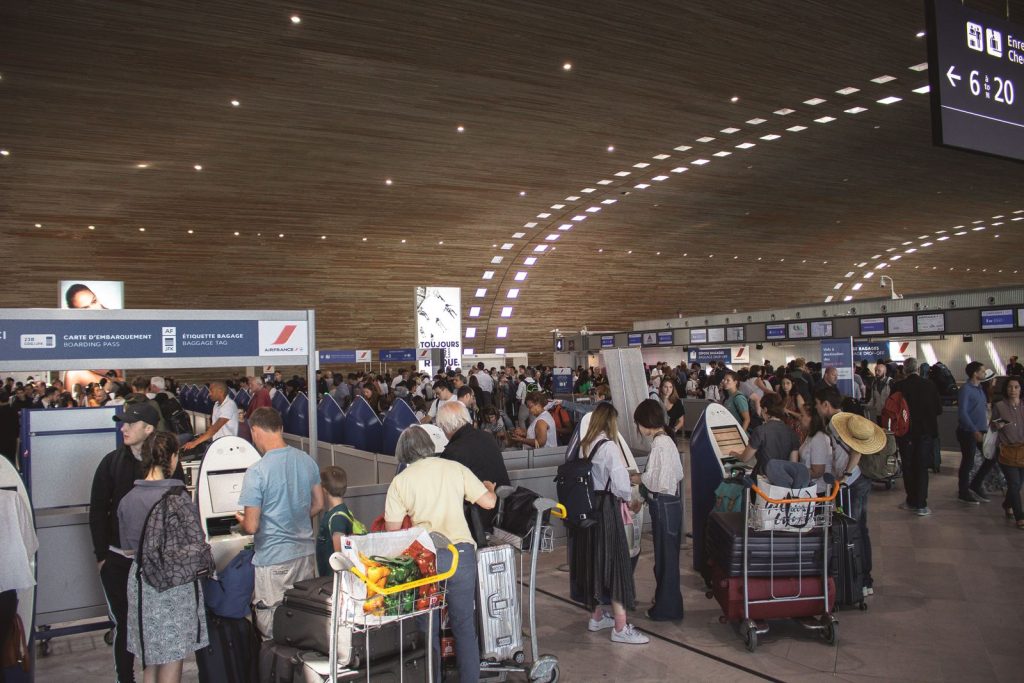
The first time you enter after EES started, an officer or a self-service kiosk will take your photo and fingerprints and record your passport details. Children under 12 give a photo but not fingerprints. On later trips, the system checks your face against the stored record, which should be quicker. Registration is free.
The first registration can take longer than a stamp did, so leave extra time at the airport, especially if you have a connection inside Europe. Some border crossings were still not fully set up when the system went live.
The 90/180-day rule is now counted automatically
EES calculates how many days you have spent in the Schengen area. If you stay past your allowed days, the system will know, even if nobody checks your passport closely on the way out. For students, workers and anyone on frequent trips, keep your own count too, so you are not caught out by a trip you forgot.
A simple example: if you spent 30 days in France in March and plan another trip in July, the 180-day window looking back from your July dates still includes the March days. You would have about 60 days left, not 90.
Do Thai travellers need ETIAS?
No. ETIAS is a separate online travel authorisation for people from countries that do not need a Schengen visa, such as the US or Japan. It is due to start in the last quarter of 2026. Thai passport holders still need a Schengen visa, so ETIAS does not apply to them. Be careful with websites that offer ETIAS applications to Thai travellers.
Applying for the Schengen visa
- The standard visa fee is €90 for adults and €45 for children aged 6 to 11.
- You can apply up to six months before your trip, and should apply at least 15 days before.
- Apply to the country where you will spend the most time, or the one you enter first if the stays are equal.
Having a visa does not replace EES. You still register at the border on arrival.
Tips for a smooth first entry
- Allow extra time for connections in your first Schengen airport.
- Keep your return ticket and hotel booking handy; officers may still ask about your stay.
- Make sure your passport is undamaged, since the system reads it electronically.
- Keep your own record of entry and exit dates if you travel to Europe often.
Frequently asked questions
Do I need to register every time I travel?
No. You register once, and later trips check against the stored record. If your records have expired after three years, you register again.
Do I need a biometric passport?
No. Both biometric and non-biometric passports are accepted, as long as they are valid.
Does EES cost anything?
No. Registration is free. Ignore any website that asks you to pay for EES.
Going to Europe to study? Our guide to Erasmus Mundus scholarships covers funding for a master’s degree. Note that long-stay study visas are national visas issued by each country, with their own rules.
Sources
- European Union, Travel to Europe: Entry/Exit System
- European Union, Data held by the EES
- European Commission, Main differences between the EES and ETIAS (28 April 2026)